
The Library Corporation
Library Public Access Catalog
Mobile-Friendly Book Discovery & Access for Millions of Patrons
I led the redesign of a legacy B2C patron catalog into a mobile-friendly product that made discovery and hold placement faster, easier, and reliable at institutional scale.
Highlights
Outcomes
Mobile Hold Placement
Delivered one of the first library catalogs in its category to support hold placement from phones and tablets.
Built for Enterprise Scale
Designed to support systems with 100+ locations and 100K+ titles.
Adopted Across Thousands of Libraries
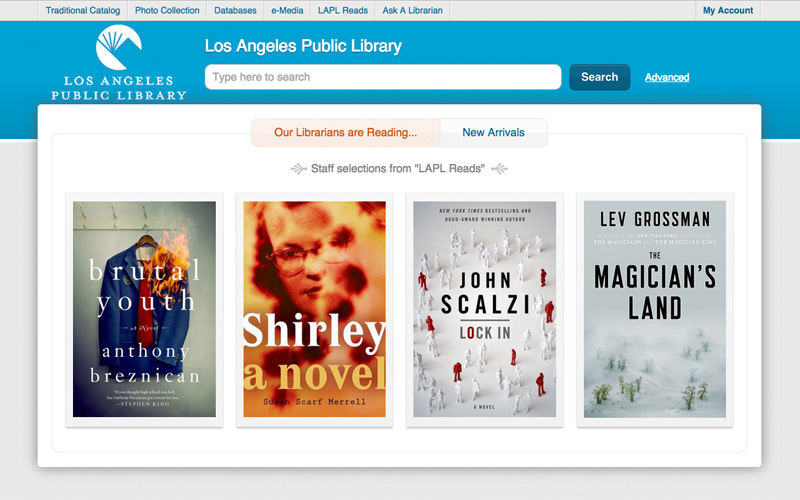
Used by public and school systems including Chicago Public Schools, Dallas ISD, Los Angeles Public Library, and Hawaii DOE.
Impact
Accessibility by Default
Core catalog workflows aligned to responsive and WCAG accessibility expectations.
Improved Patron Experience
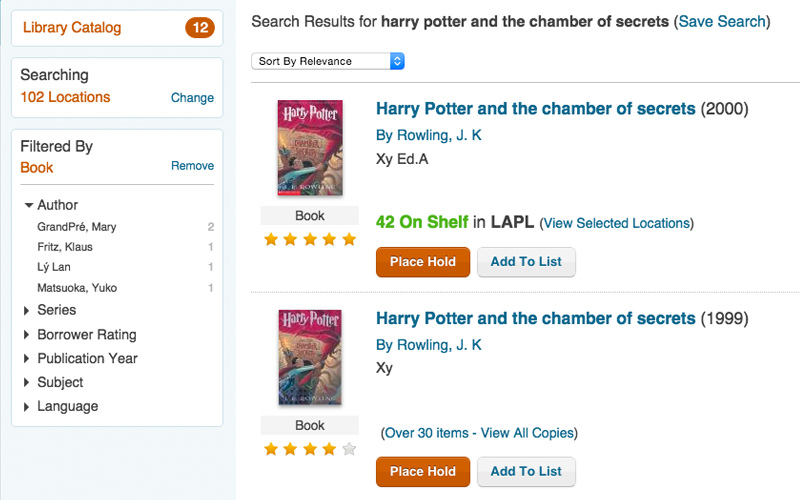
Praised by librarians for faster search, easier filtering, and smoother hold workflows.
Design Leadership Growth
Success of the product led to broader platform unification and design-system adoption.
Background
Context
The legacy public catalog was hard to use on mobile devices when patrons increasingly expected to browse, evaluate, and reserve titles directly from phones and tablets.
Role
As Lead UX Designer, I led end-to-end design, including patron research, wireframing solutions, prototyping mobile workflows, designing interactions and interfaces, and usability testing across devices.
Stakeholders
- Patrons, librarians, library administrators, product, and engineering teams
- Client scale included major school and public library organizations
Challenges
- Legacy patron experience was not mobile-friendly and forced desktop usage.
- Search and filtering flows needed to remain powerful while becoming easier to use.
- Hold placement had to be simple, fast, and reliable across devices.
- The system needed to satisfy large-dataset, multi-location institutional requirements.
Objectives
Find and Filter Faster
Enable patrons to search, narrow results, and evaluate titles quickly on any screen.
Complete Core Tasks on Mobile
Support end-to-end hold placement and account actions from phone, tablet, and desktop.
Meet Institutional Standards
Deliver a scalable architecture and UX that worked for large public and school systems.
Research and Discovery
Patron Behavior Shift
Research showed patrons increasingly expected mobile access to catalog content and reservation workflows.
Institutional Constraints
Large systems required robust search and filtering experiences that still felt approachable.
Lean UX Validation
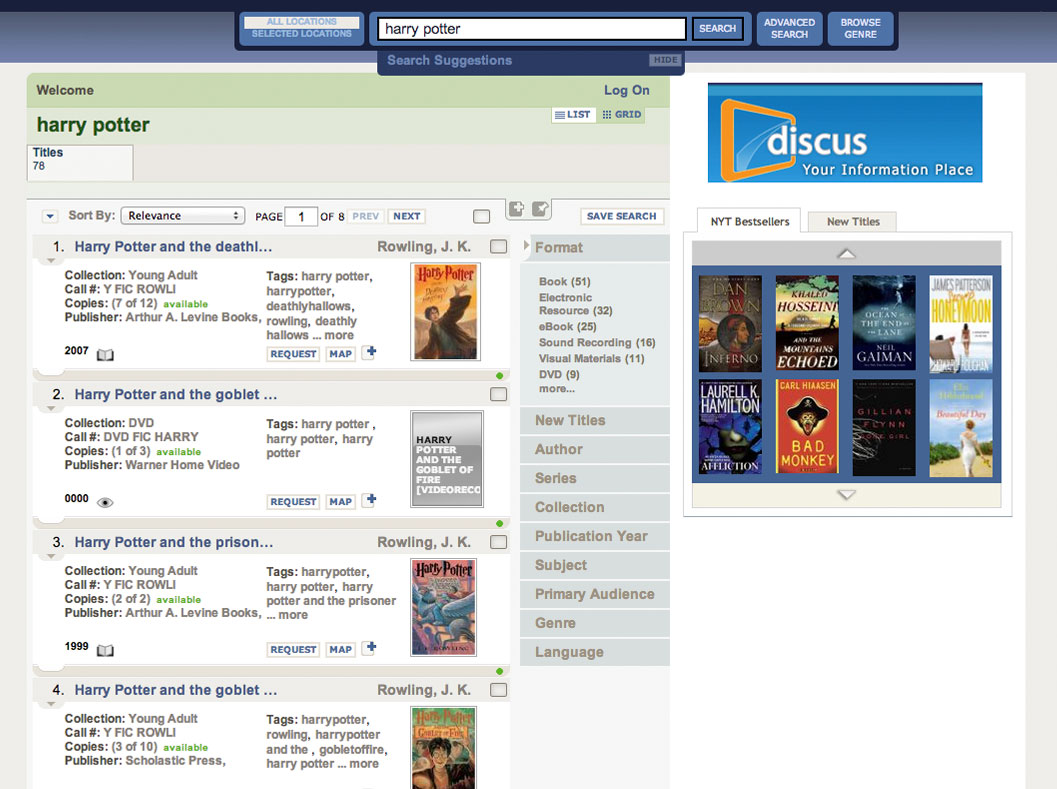
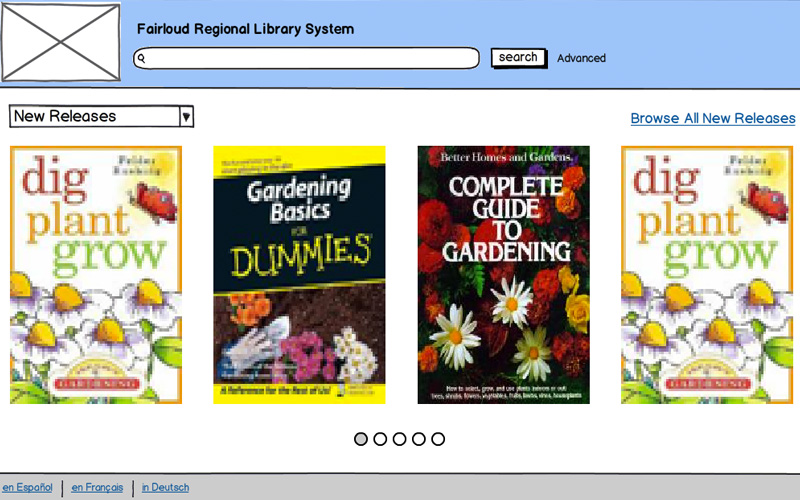
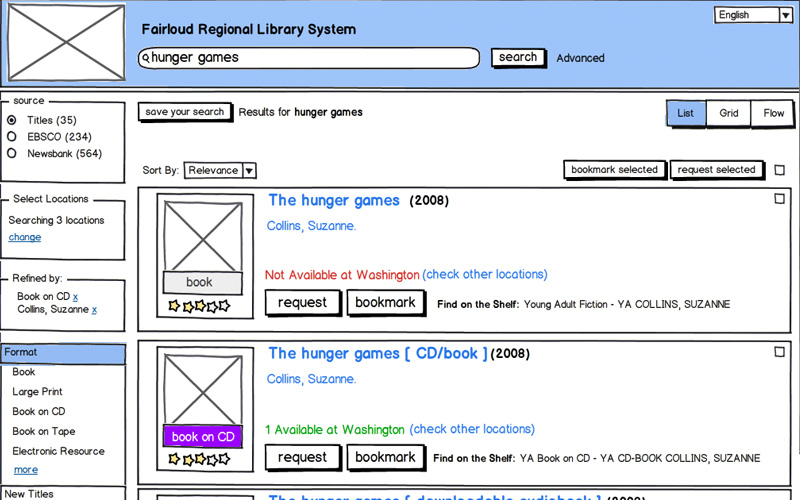
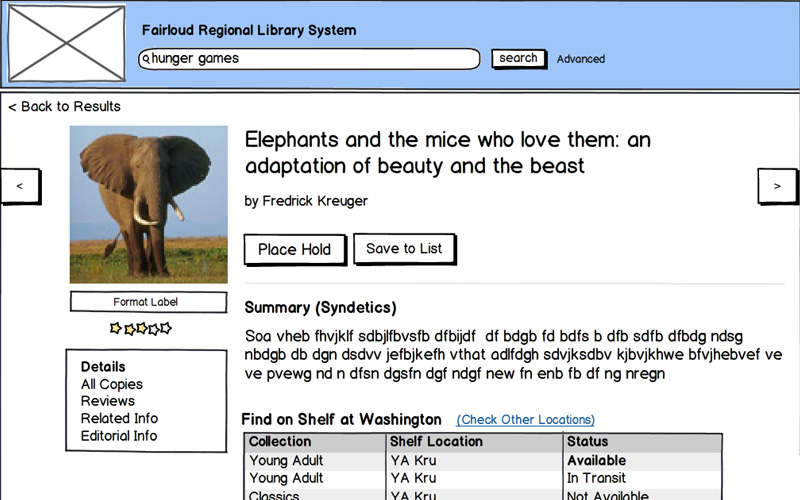
Used rapid sketching, prototyping, and testing cycles to refine search, details, holds, and account workflows.
Design Approach
Responsive by Design
Built a single interaction model that adapted cleanly across desktop, tablet, and mobile.
Task-focused IA
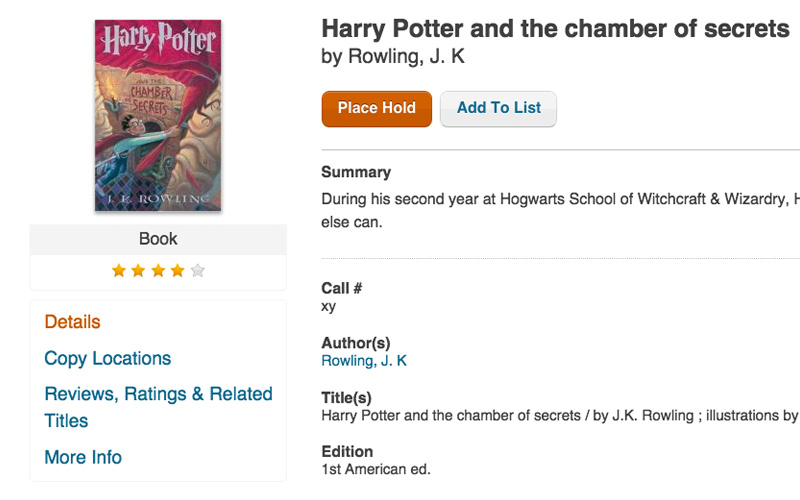
Organized interface hierarchy around search, filtering, title evaluation, and hold placement.
Accessibility Standards
Aligned key workflows with WCAG expectations so community members had equitable access.
Iterative Delivery
Used Lean UX loops to quickly validate assumptions and improve interaction clarity.
Solution
The final product delivered a modern Public Access Catalog where patrons could reliably search, filter, and place holds from any device. It balanced ease of use with the depth required by large institutions and established a design foundation that influenced broader platform modernization.
"I love it. It's so easy to navigate and limit searches. I've started working on my Fall programs and it was the fastest I have ever found my books and put holds on those I wanted to use or look at from other branches."- Staff librarian
Reflections
This case demonstrated how product design can turn legacy software into experiences people adopt quickly and trust daily. It also created momentum for design-system-driven unification work across the broader product platform.