
The Library Corporation
Integrated Library System
Modernizing a Legacy Platform into a Unified System at Scale
Redesigned a legacy library platform into a cohesive, human-centered system that increased staff throughput, improved patron outcomes, and strengthened long-term contract value.
Highlights
Outcomes
500%+ Productivity Increase
Increased cataloging productivity by more than 500% after redesigning core staff workflows.
22% Increase in Checkouts
Contributed to a 22% increase in annual patron checkouts through modernization of the LS2 product suite.
15 Minutes to 1 Minute
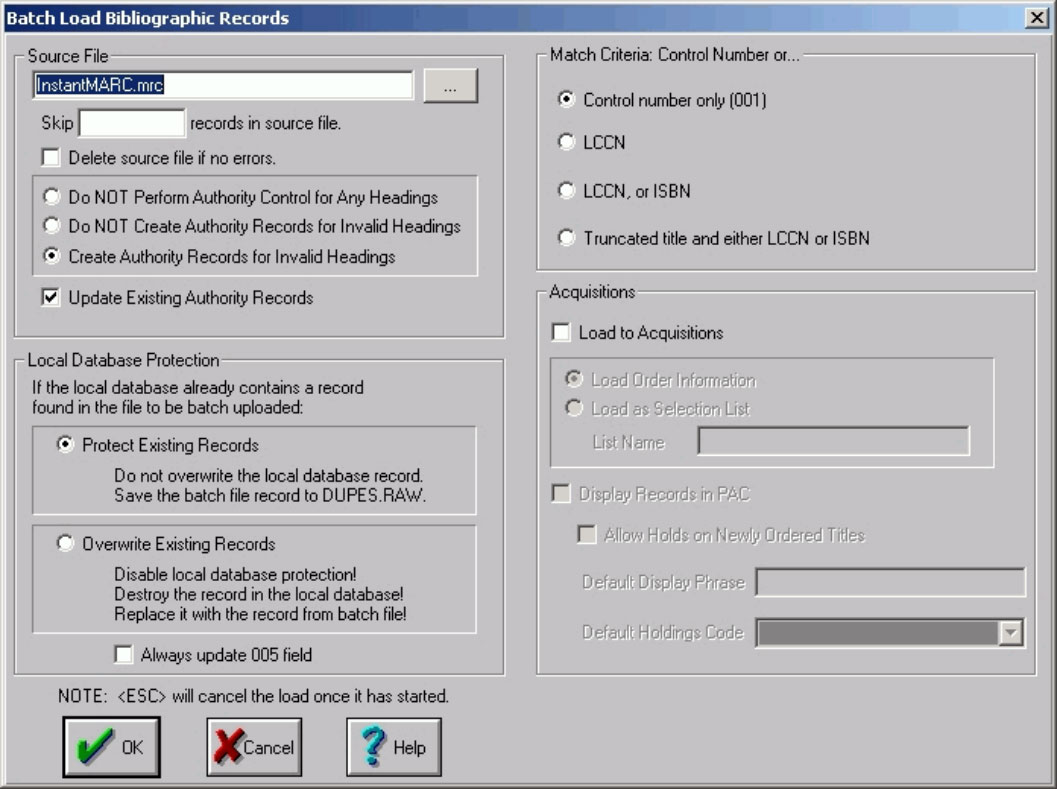
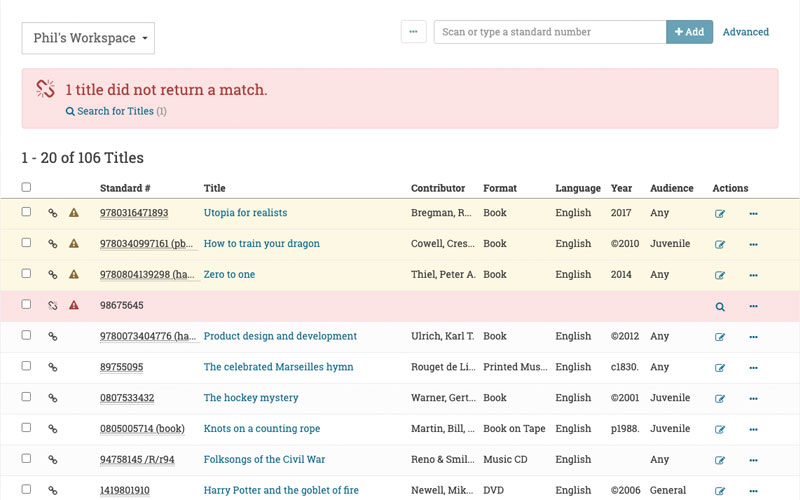
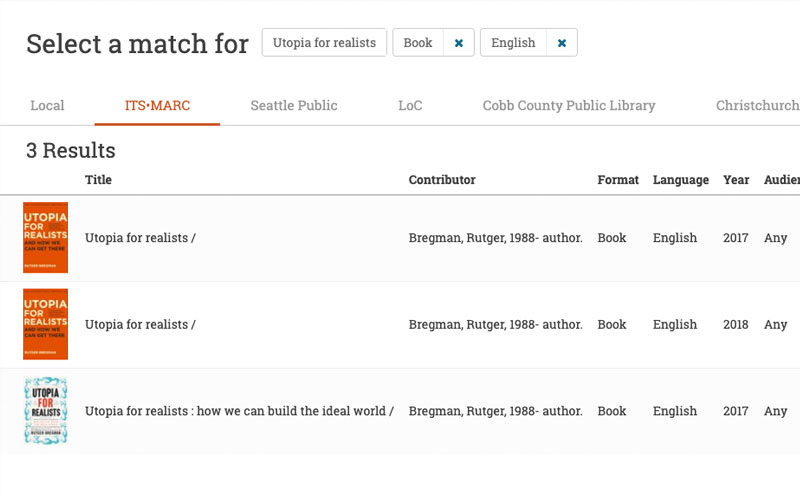
Reduced the time required to import and curate title records by consolidating fragmented multi-step workflows.
Impact
Platinum Industry Recognition
Earned Platinum recognition from the Modern Library Awards for innovation in cataloging UX and product quality.
Enterprise Contract Support
Helped support long-term wins and renewals with large institutions including Chicago Public Schools and Hawaii DOE.
Expanded Recurring Revenue
Introduced subscription-based authority data services that created new recurring revenue opportunities.
Press
Background
Context
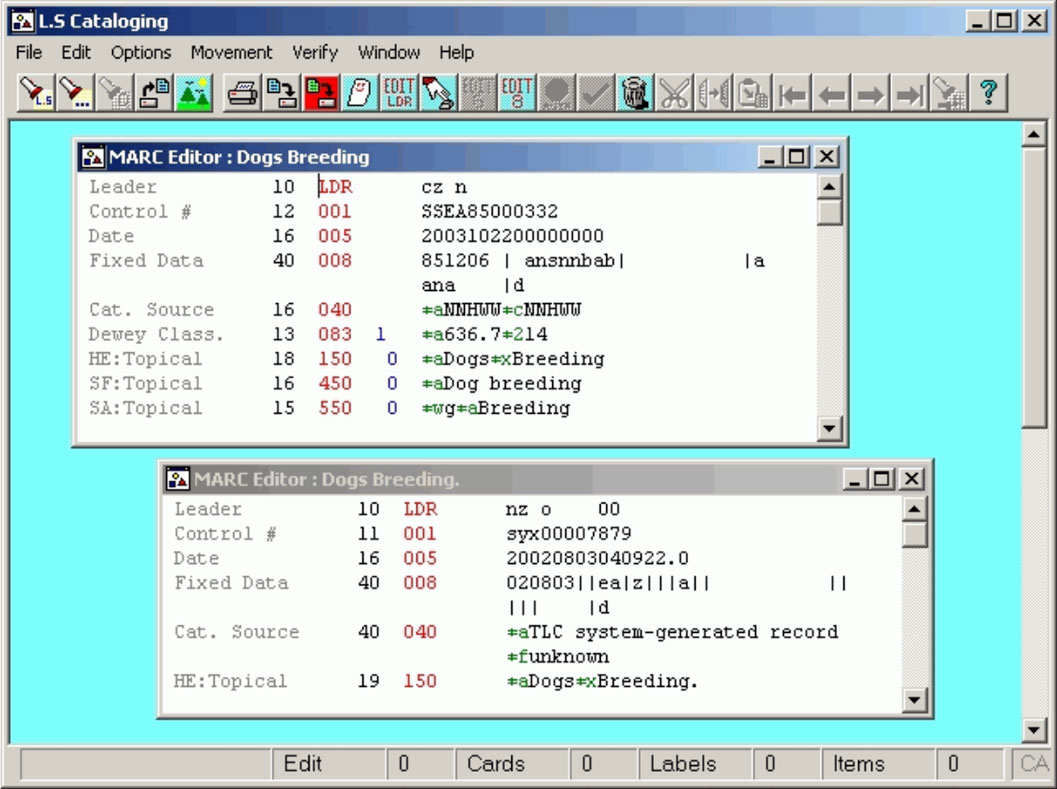
Legacy library applications were fragmented across cataloging, importing, public catalog, and staff services. Each had different UI patterns and workflows, creating training overhead, support burden, and poor cross-product usability.
Role
As Lead UX Designer, I led end-to-end design, including customer research, wireframing solutions, prototyping staff workflows, designing interactions and interfaces, and usability testing with librarians and administrators.
Stakeholders
- Library System Administrators (including Los Angeles Public Library, Chicago Public Schools, U.S. Senate Library, and Hawaii DOE)
- Library Catalogers
- Internal Product, Engineering, and Support teams
Challenges
- Decades-old software was siloed, inconsistent, and expensive to maintain.
- Critical cataloging flows were based on machine-readable data structures that were difficult for people to manage.
- Libraries needed modern web-based tools without losing advanced functionality.
- The business needed faster releases while reducing training and support costs.
Objectives
Unify the Platform
Create a single integrated experience so staff could complete workflows seamlessly in one application.
Humanize Complex Data Work
Make cataloging intuitive enough for broader staff participation without sacrificing data quality.
Increase Delivery Velocity
Reduce maintenance overhead and establish reusable patterns for faster feature development.
Research and Discovery
Market Priorities
Customer research showed the top evaluation criteria for a new ILS were product quality, patron ease of use, and staff ease of use.
Operational Reality
Budget cuts forced teams to manage larger collections with fewer trained catalogers, requiring tools that increased throughput and reduced skill barriers.
User Insight
Current clients highlighted the need for modern technology, collaborative tools, and trustworthy metadata sources.
Design Approach
Human-friendly Data Structures
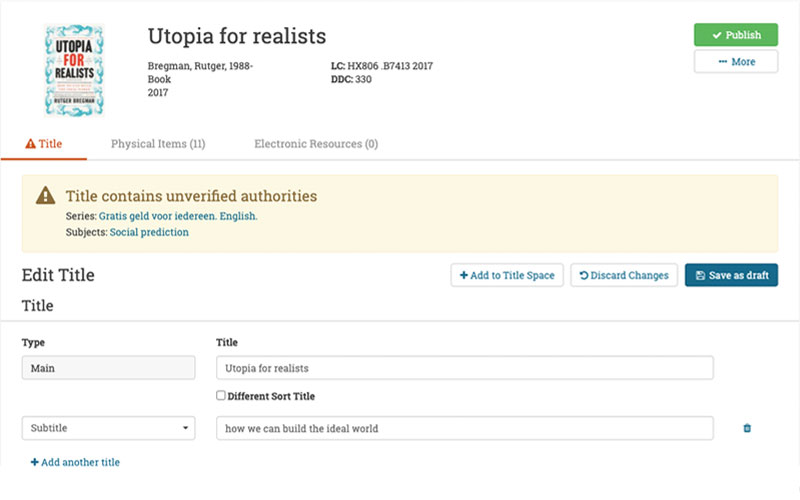
Redesigned machine-oriented metadata structures into interfaces that staff could read and edit confidently.
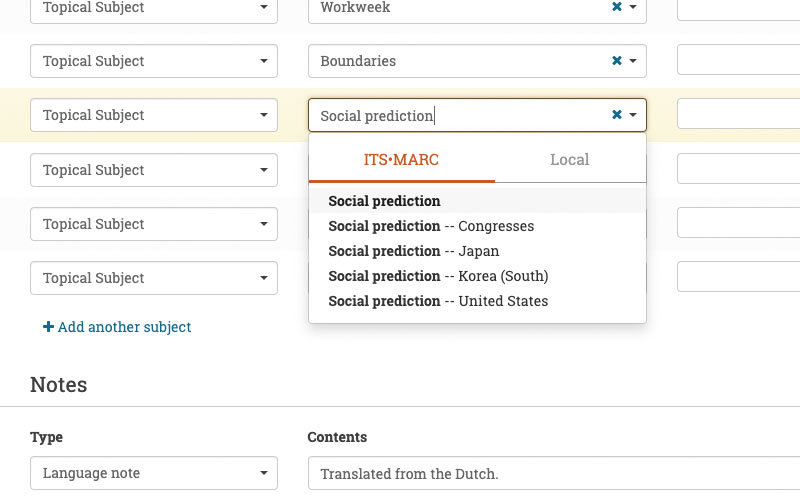
Authority Data Suggestions
Added guided, curated suggestions to improve consistency and reduce formatting errors.
Collaborative Title Spaces
Enabled multi-user workflows and role-based publishing controls for efficient collaboration.
Unified, Web-based Tools
Moved high-value staff workflows into consistent web interfaces with reusable design patterns.
Solution
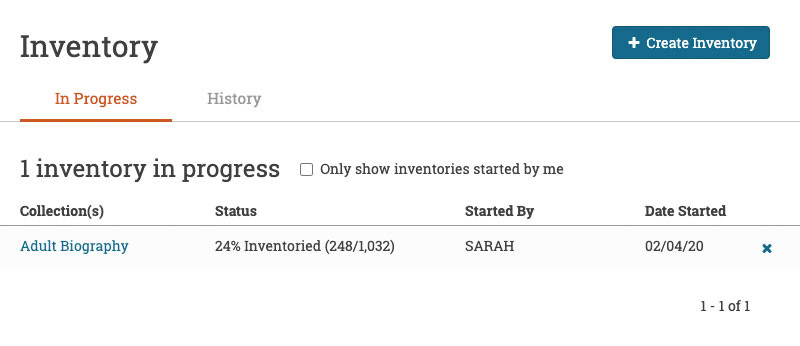
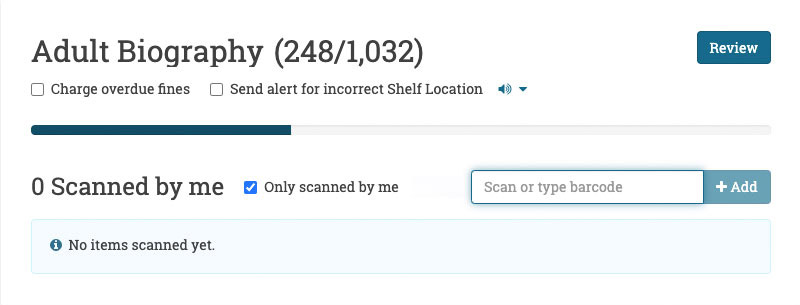
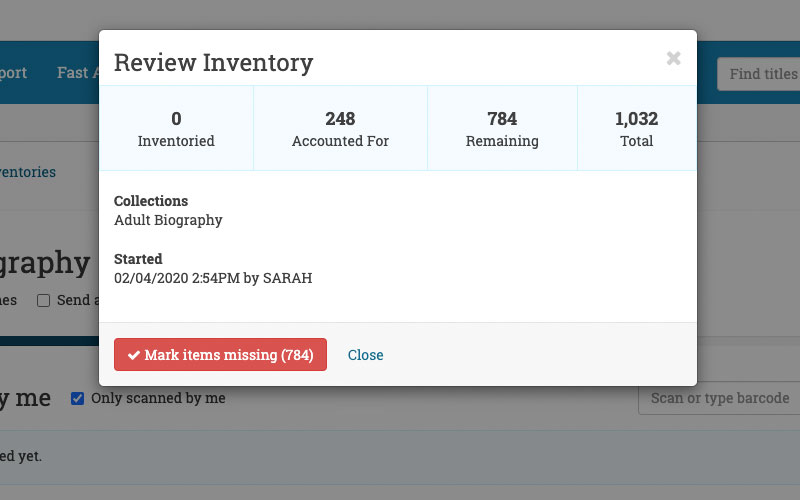
The redesigned platform combined human-centered interfaces, collaborative workflows, and data-quality guardrails into one integrated system. Library catalogers and front-line staff could complete previously fragmented tasks faster, with fewer errors and less training, while administrators gained clearer visibility into and increased discoverability of their digital and physical collections.
Reflections
This program reinforced a core principle in my work: when complex institutional data is translated into clear, human-centered product workflows, you unlock both customer value and durable business growth. The same approach later carried into my work designing music data products at Pex.